



Conferences
THREE DAYS INTERNATIONAL CONFERENCE ON CYBER ETHICS AND DATA PROTECTION (IC-CEDP 2025)

THREE DAYS
INTERNATIONAL CONFERENCE
ON
CYBER ETHICS AND DATA PROTECTION
(IC-CEDP 2025)
Organized by
Internal Quality Assurance Cell (IQAC)
LUCKNOW PUBLIC COLLEGE OF PROFESSIONAL STUDIES (LPCPS)
(Affiliated to University of Lucknow, Lucknow, U.P., India)
Vinamra Khand, (Near Kathauta Lake) Gomti Nagar, Lucknow
Date: MAY 1-3, 2025
Time: 10:00 AM onwards
The “International Conference on Cyber Ethics and Data Protection” aims to explore the latest trends, best practices, and regulatory frameworks designed to safeguard personal and organizational data in an increasingly digital world. Topics covered include data privacy laws, the ethical implications of emerging technologies, cybersecurity strategies, and the impact of digital transformation on individuals' rights. Through presentations, workshops, and panel discussions, the event fosters a collaborative environment for finding solutions to complex issues related to data protection and ethical cyber practices. It serves as a platform for sharing knowledge, advancing research, and promoting a more secure and ethically responsible digital future.
Objective of the conference-
- Data Privacy and Security.
- Ethical Responsibility.
- Legal Compliance.
- Transparency and Accountability.
- Security Measures.
- Informed Consent.
LIST OF INVITED SPEAKERS
Prof. Bishnu Prasad Lamsal,
Assistant Campus Chief, Madhyabindu Multiple Campus,
Tribhuvan University, Nepal
Mr. Atul Kumar
Director, Data Security Council of India, Global Trade, Cyber Diplomacy
Indian Institute of Information Technology
Dr. Anurag Singh
Assistant Professor, Department of Management Studies,
Birla Institute of Technology & Science, Pilani, Dubai Campus
Dr. Pawan Kumar Chaurasia
Associate Professor, Department of Information Technology,
Babasaheb Bhimrao Ambedkar University, Lucknow. India
Dr. Upendra Kumar
Assistant Professor & Deputy Dean of Student Welfare,
Department of Computer Science & Engineering
Institute of Engineering & Technology, Lucknow, UP, India
Dr. Upendra Kumar, presented his topic on Ai In Cybersecurity- Uses, Benefits, And Challenges, He said that AI is rapidly changing the cybersecurity landscape, equipping organizations with powerful mechanisms for detecting and preventing cyber threats. It has helped many organizations stay one step ahead of hackers by facilitating machine learning algorithms that detect abnormalities in network traffic and AI-powered firewalls that block malware. However, there are challenges and risks involved in implementing AI in cybersecurity. One must know about the attackers’ ability to use AI, the biases of AI, and the requirement for human supervision and cooperation.It is important for us to understand the possible dangers and challenges of using AI in cybersecurity. AI models can be manipulated, impersonation can be done using voice synthesis, and phishing campaigns over emails can harm organizations if they are not proactive in understanding these dangers from AI.In order to make its security posture more adaptive and efficient, an organization should adopt an AI approach that is well planned out and cooperative toward cybersecurity. Artificial intelligence will increasingly become a significant enabler against the ever-growing threat landscape, thus securing our digital assets and assuring online integrity.
Dr. Pawan Kumar Chaurasia, presented his topic on “ The cybersecurity” He said the landscape is constantly evolving, with new threats and technologies emerging all the time. As we move into the future, fields like artificial intelligence (AI), blockchain, and quantum computing will play a significant role in shaping cybersecurity. AI is already being used to detect patterns in cyberattacks, while blockchain technology promises more secure data storage solutions. However, with these advancements come new challenges. Cybercriminals are becoming more sophisticated, and the complexity of cyberattacks is increasing. This means the demand for cybersecurity professionals will only continue to rise, creating exciting opportunities for those with the right skills. Cybersecurity is essential in today's ever-digital world to protect private data, secure sensitive information, and defend national infrastructure. Without strong cybersecurity defences, people, organizations, and governments would always be vulnerable to financial loss.
Prof. Bishnu Prasad Lamsa presented his topic on “ Cyber Ethics And Data Protection In Nepal” He said Cyber laws in Nepal are an essential component of the nation's digital ecosystem, promoting trust, security, and accountability. With recent developments like the National Cyber Security Policy 2023, Draft Bill on IT and Cyber Security, and the Data Act, 2079, Nepal is making strides to address the complexities of the digital landscape. Continuous updates and enhancements to these frameworks will ensure a secure and vibrant digital economy for Nepal’s citizens and businesses. Nepal's journey in framing cyber laws began in the early 2000s, coinciding with the rise of the internet. The Electronic Transactions Act (ETA), 2006 (also known as Cyber Law of Nepal), remains the cornerstone of Nepal's cyber legal framework. However, other laws, such as the Muluki Penal Code, 2074, Copyright Act, 2002, Telecommunications Act, 2053, and Individual Privacy Act, 2018, also contribute to Nepal's broader cyber law landscape.
THREE DAYS INTERNATIONAL CONFERENCE ON DIGITAL TRANSFORMATION AND INNOVATION (IC-DTI 2025)
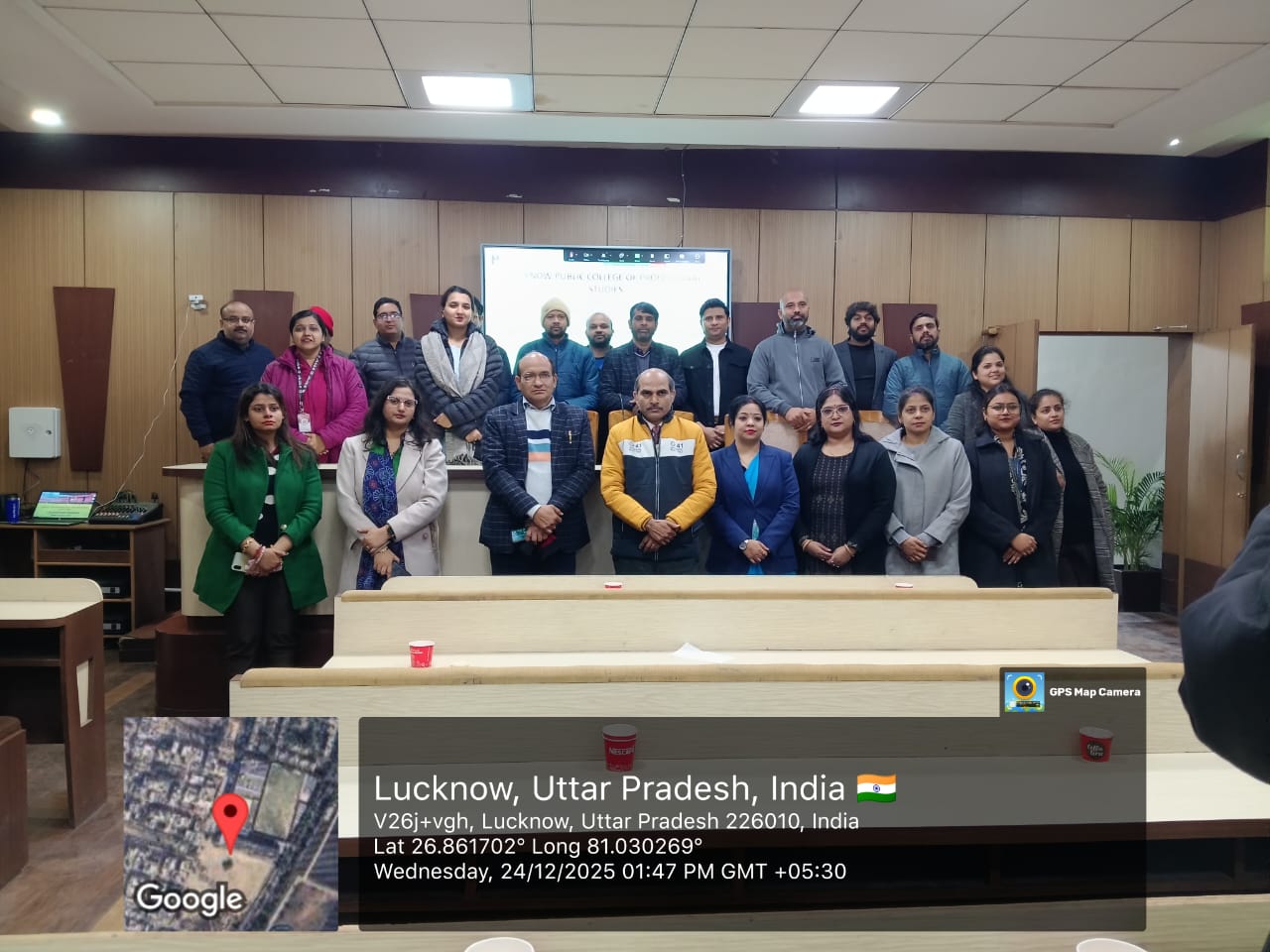
REPORT OF THREE DAYS INTERNATIONAL CONFERENCE
ON
DIGITAL TRANSFORMATION AND INNOVATION
(IC-DTI 2025)
DATE: DECEMBER 22-24, 2025
TIME: 10:00 AM onwards
VENUE: CONFERENCE HALL
NO. OF PARTICIPANTS: 45
DETAILS OF THE RESOURCE PERSONS
Name: Prof. Bishnu Prasad Lamsal
Designation: Assistant Campus Chief
Affiliation: Madhyabindu Multiple Campus Tribhuvan University, Nepal
Name: Dr. Shailja Dixit
Designation: Professor
Affiliation: Amity University, Lucknow campus
OBJECTIVE OF THE INTERNATIONAL CONFERENCE
The primary objective of the International Conference on Digital Transformation and Innovation (IC-DTI 2025) was to provide a global platform for academicians, researchers, professionals, and practitioners to deliberate on emerging trends, challenges, and opportunities in digital transformation. The conference aimed to promote interdisciplinary dialogue on innovation-driven technologies, encourage research-based solutions for digital change, and explore the role of digital tools in transforming education, industry, governance, and society. It also sought to foster international collaboration and knowledge exchange to support sustainable and inclusive digital development.
ABOUT THE INTERNATIONAL CONFERENCE
The International Conference on “Digital Transformation and Innovation” aims to explore the evolving landscape of technology-driven change across industries and society. In an era where digital tools, intelligent systems, and data driven strategies are reshaping organizational structures and business models, this conference provides a platform for scholars, practitioners, technologists, and entrepreneurs to share insights, research findings, and innovative practices. By fostering interdisciplinary dialogue, the conference seeks to promote sustainable digital growth, enhance competitiveness, and inspire future-ready solutions that address the challenges and opportunities of the digital age.
DAY 1
The inaugural session set the tone for the conference by highlighting the significance of digital transformation in the global context. Prof. Vishnu Prasad Lamsal, serving as the keynote speaker at the international conference, delivered an insightful and research-driven paper on the topic “Impact of Social Media Network on Academic Performance of Graduates in Nepal.” His presentation highlighted how the rapid growth of social media platforms has significantly influenced students’ learning behaviors, study habits, and academic engagement. He discussed both the positive aspects—such as increased access to educational resources, peer collaboration, academic networking, and knowledge sharing—and the negative consequences, including distraction, reduced concentration, time mismanagement, and overdependence on digital interaction.
DAY 2
The second day of the conference featured a series of engaging and knowledge-intensive technical sessions focusing on practical and research-oriented aspects of digital transformation. Experts and researchers presented papers on emerging digital technologies, innovative software development practices, and advancements in cloud security and cybersecurity frameworks.
DAY 3
The concluding day of the International Conference featured an enlightening and inspiring session by Dr. Shailja Dixit, Professor at Amity University, Lucknow Campus, who graced the event as the Guest Speaker. In her address on “Digital Transformation and the Entrepreneurship Boom in India,” she highlighted how rapid technological advancement, startup ecosystems, and government initiatives like Digital India and Startup India are fueling a new wave of innovation and self-employment. She emphasized the role of digital platforms, fintech, e-commerce, and AI-driven solutions in empowering young entrepreneurs and creating scalable business models. Her session concluded on a motivational note, encouraging participants to leverage digital tools not just for career growth but also for nation-building and sustainable development.
Workshops
FIVE DAYS WORKSHOP ON "Mental Health Matters: Prioritizing Well-being in a Fast-Paced World"
FIVE DAYS
WORKSHOP
ON
"Mental Health Matters: Prioritizing Well-being in a Fast-Paced World"
Organized by
LUCKNOW PUBLIC COLLEGE OF PROFESSIONAL STUDIES (LPCPS)
(Affiliated to University of Lucknow, Lucknow, U.P., India)
Date: 17th March, 2025 to 21 March, 2025
Time: 09:00 AM onwards and 02:00 PM onwards
This FIVE-DAY WORKSHOP on “MENTAL HEALTH MATTERS: PRIORITIZING WELL-BEING IN A FAST-PACED WORLD” In today’s fast-paced world, mental health is often overlooked, but it’s crucial to prioritize our well-being. Constant pressure, stress, and multitasking can take a toll on our mental state. Prioritizing self-care, seeking professional help when needed, and fostering supportive environments are essential steps in maintaining mental health. Recognizing the importance of mental well-being not only improves individual lives but also enhances productivity and relationships, creating a healthier, more balanced society for all.
Objective of the Workshop
- To prioritize our well-being.
- To Minimize Constant pressure, stress, and multitasking which can take a toll on our mental state.
- To Prioritize our self-care, seeking professional help when needed, and fostering supportive environments are essential steps in maintaining mental health.
REGISTRATION LINK
REGISTER ON-
https://forms.gle/NQx8fGrsG1WAcSTr5
file:///C:/Users/hp/Desktop/all%20Research%20work%20LPCPS/2025onwards/Workshop%20%20March%202025/Copy%20of%20Invitation%20to%20Conduct%20Workshop%2017-21%20March%202025.pdf
INVITED SPEAKER
DR. SHAILESH KUMAR SRIVASTAVA
Associate Professor,
Department of Zoology,
Tripura University (A central University), Agartala Tripura
DR ANAND KUMAR RAI
Associate Professor
Department of Computer Science
Lucknow Public College of Professional Studies
MR. CHETAN KHANNA
Assistant Professor
Department of Commerce
Lucknow Public College of Professional Studies
ADITYA VIKRAM SINGH
Head of Placement & Training
Lucknow Public College of Professional Studies
DR. IMRANUR RAHMAN
Assistant Professor
Department of Management
Lucknow Public College of Professional Studies
SALONI AGRAWAL
Assistant Professor
Department of Management
Lucknow Public College of Professional Studies
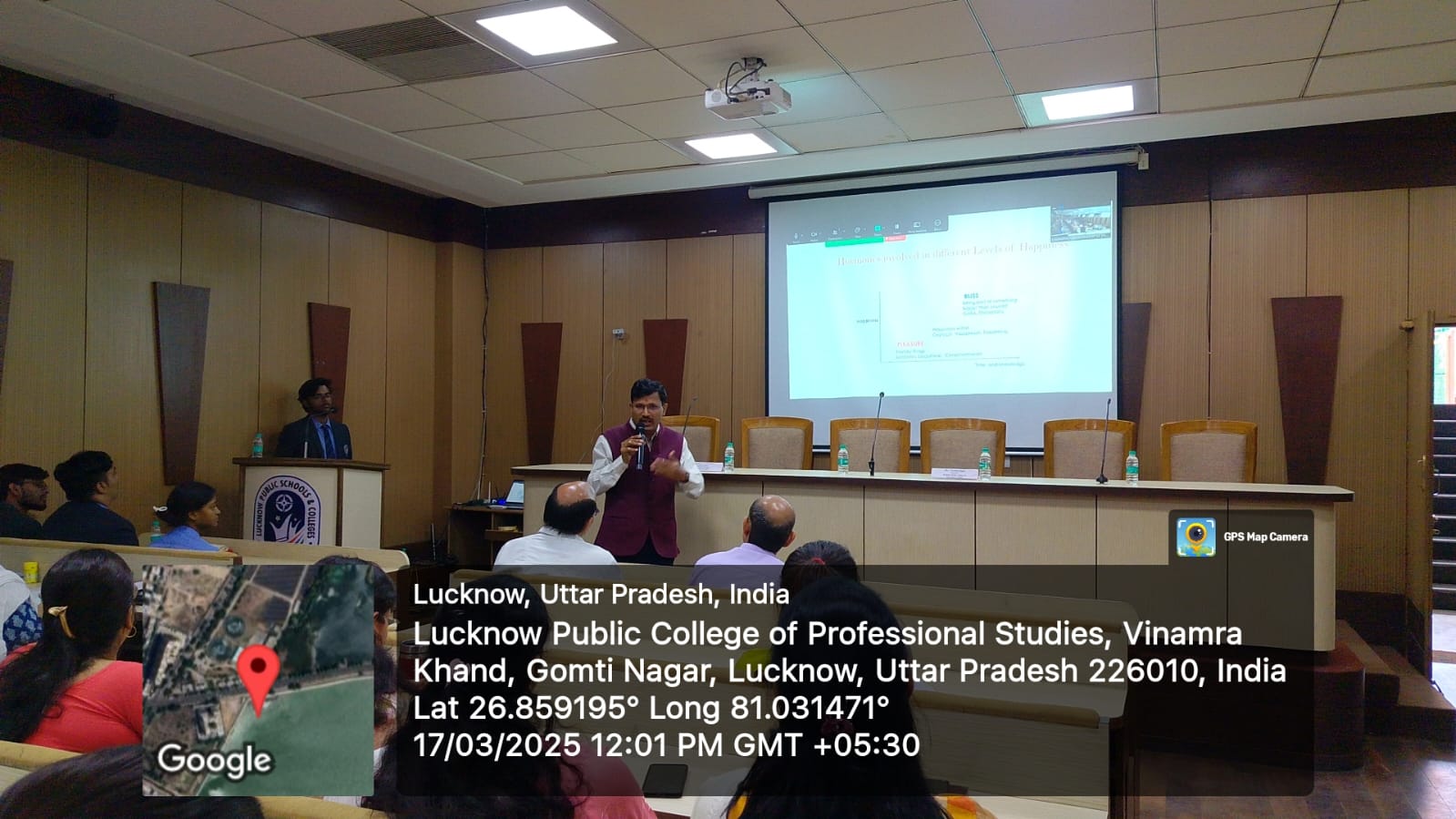
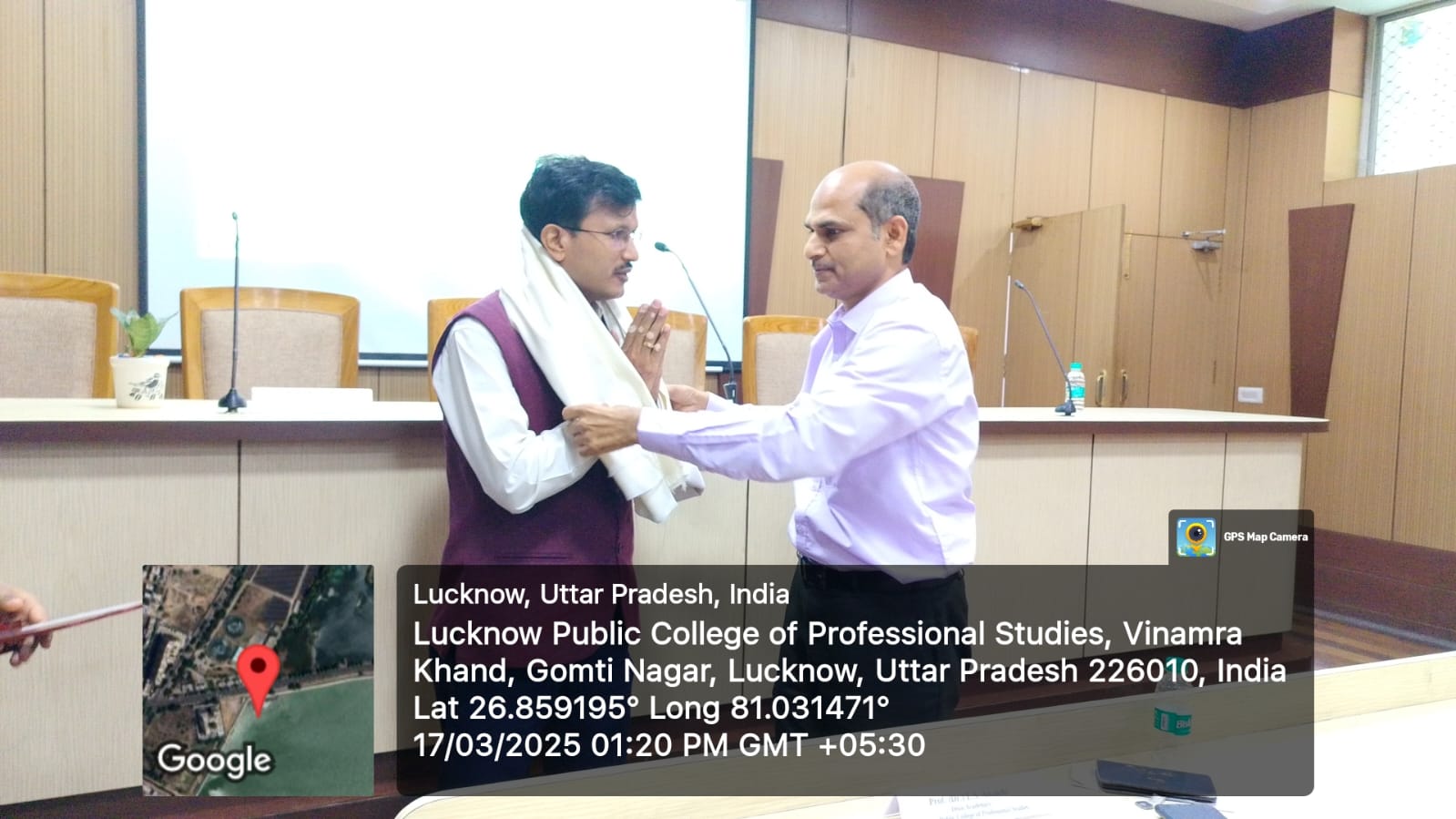
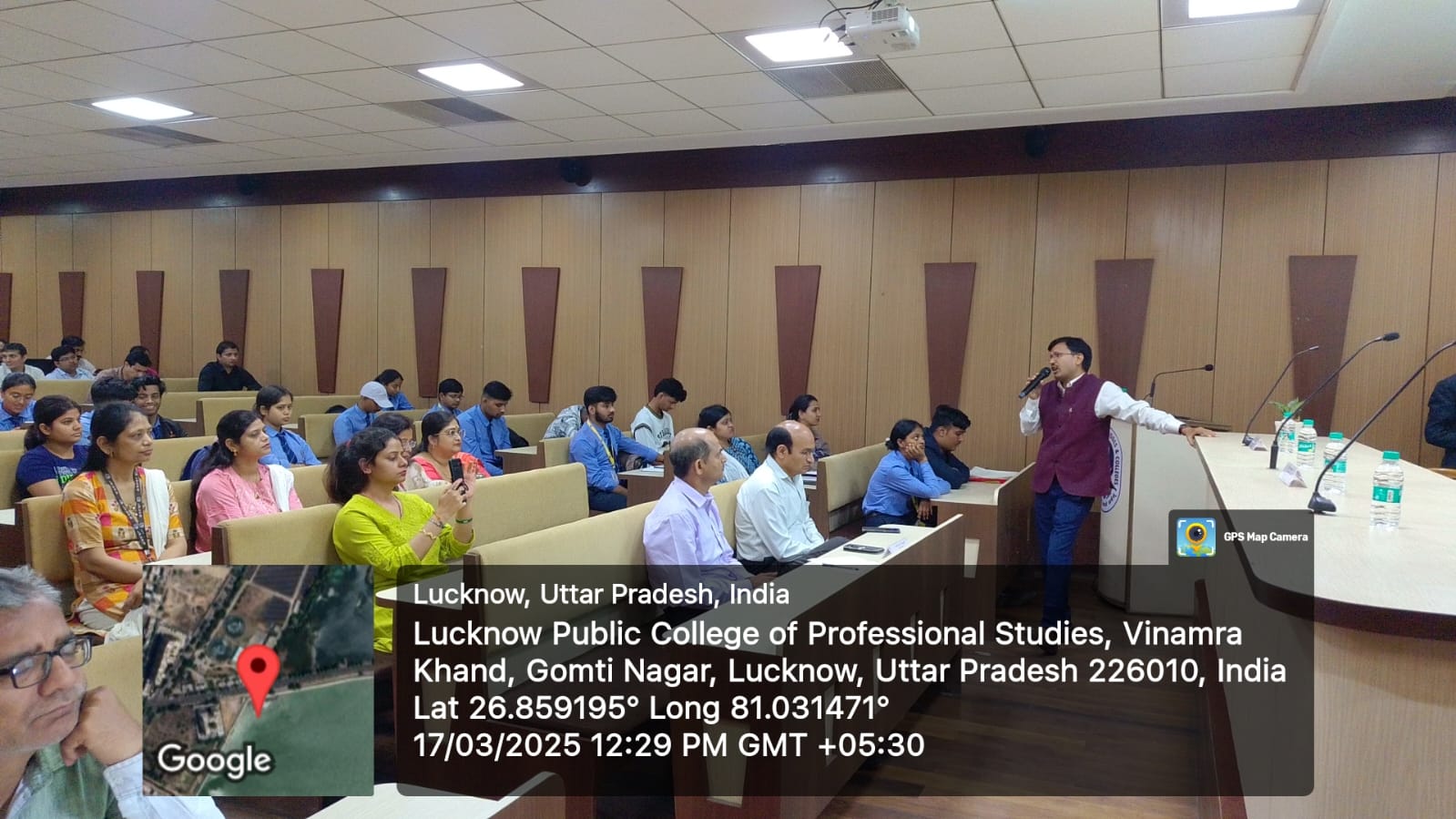
Dr. Sailesh Kumar Srivastava was talking about World Mental Health Day reminding us that mental health is as vital as physical health. In today’s busy world, it's easy to overlook well-being, but it affects every aspect of our lives—from work productivity to personal happiness.
He speaks about Why Mental Health is Important-
Mental health influences how we think, feel, and act. Globally, 1 in 8 people face mental health challenges, yet it remains a topic many avoid due to stigma.
He had mentioned some Signs of Mental Health Struggles-
Feelings of sadness, anxiety, irritability, or changes in sleep can be signs of mental health issues. It’s important to pay attention and seek support when needed.
He suggests some Ways to Support Mental Health-
- Mindfulness: Practice staying present to reduce stress.
- Exercise: Boosts mood through endorphins.
- Sleep: A good night’s rest improves mental clarity.
- Social Connection: Stay close to loved ones.
- Professional Help: Don’t hesitate to reach out to a therapist.
FDP
ONE WEEK FACULTY DEVELOPMENT PROGRAMME ON INNOVATIONS IN HEALTH EDUCATION MERGING YOGIC SCIENCE, MEDICAL RESEARCH, AND AI TOOLS
REPORT OF ONE WEEK FACULTY DEVELOPMENT PROGRAMME
ON
INNOVATIONS IN HEALTH EDUCATION MERGING YOGIC SCIENCE, MEDICAL RESEARCH, AND AI TOOLS
DATE: November 17th-21st, 2025
TIME: 10:00 AM onwards
VENUE: CONFERENCE HALL
NO. OF PARTICIPANTS: 35
DETAILS OF THE RESOURCE PERSONS
Name: Dr. S. P. Singh
Designation: Ayurvedic Medical Officer
Department: Zoology
Affiliation: Tripura University
Name: Dr. Rajneesh Srivastava
Designation: Cardiologist & Diabetologist
Affiliation: KGMU, Lucknow
Name: Dr. Anand kumar Rai
Designation: Associate Professor
Department: Computer Science
Affiliation: Lucknow Public College of Professional Studies
Name: Mrs. Saloni Agarwal
Designation: Assistant Professor
Department: Management
Affiliation: Lucknow Public College of Professional Studies
Name: Dr. Karuna Shankar Awasthi
Designation: Associate Professor
Department: Computer Science
Affiliation: Lucknow Public College of Professional Studies
OBJECTIVE OF THE FACULTY DEVELOPMENT PROGRAMME
The primary objective of the One Week Faculty Development Programme was to promote an integrated and holistic approach to health education by merging Yogic Science, contemporary Medical Research, and emerging Artificial Intelligence tools. The programme aimed to enhance faculty knowledge of evidence-based yogic practices, recent medical advancements in preventive and lifestyle healthcare, and the application of AI in teaching, research, and personalized health solutions. It also sought to equip educators with innovative pedagogical strategies, encourage interdisciplinary collaboration, and prepare them to address modern health challenges through scientifically validated and technology-driven methods.
ABOUT THE FACULTY DEVELOPMENT PROGRAMME
This Faculty Development Programme explores a transformative approach to health education by integrating three powerful domains: Yogic Science, modern Medical Research, and cutting-edge Artificial Intelligence (AI) technologies. As global health challenges grow increasingly complex, educators and practitioners need holistic, evidence based, and technology-driven strategies. The One Week Faculty Development Programme on “Innovations in Health Education: Merging Yogic Science, Medical Research, And AI Tools” aims to integrate the timeless wisdom of yogic practices with contemporary medical research to promote physical, mental, and emotional well-being, while harnessing the power of Artificial Intelligence to enhance pedagogy, research, and personalized health solutions. By bringing together traditional knowledge, scientific validation, and modern digital tools, the programme seeks to equip educators with innovative methods, interdisciplinary insights, and transformative teaching strategies that prepare learners for the evolving landscape of holistic health and wellness.
KEYNOTES ADDRESSED BY RESOURCE PERSONS
DAY 1
The inaugural session commenced with an introduction to the theme of the FDP. Dr. S. P. Singh delivered the keynote address on the relevance of Yogic Science in modern health education. He highlighted the scientific basis of yoga, its preventive and therapeutic benefits, and its role in maintaining physical and mental balance. The session emphasized integrating yogic practices into academic curricula for holistic development.

DAY 2
Dr. Rajneesh Srivastava delivered an insightful lecture on lifestyle diseases such as cardiovascular disorders and diabetes. He discussed recent medical research, preventive strategies, and the importance of early diagnosis and lifestyle modification. The session bridged the gap between traditional wellness practices and modern clinical evidence.

DAY 3
The third day focused on technology-driven health education. Dr. Anand Kumar Rai discussed the application of Artificial Intelligence in healthcare, including machine learning models, health data analytics, and AI-based diagnostic tools. He emphasized how AI can support research, improve accuracy in medical predictions, and enhance teaching methodologies.

DAY 4
During the One Week Faculty Development Programme, Mrs. Saloni Agarwal delivered an insightful session on “Bridging the Rural Health Divide: Data-Driven Policy & Planning.” She emphasized the critical gaps in rural healthcare access and highlighted the importance of data-driven decision-making in formulating effective health policies. The session focused on how the use of health data, analytics, and digital tools can help identify regional health disparities, optimize resource allocation, and improve healthcare delivery in rural areas. She also discussed the role of technology, governance, and strategic planning in strengthening rural health infrastructure and ensuring inclusive and sustainable healthcare outcomes. The lecture encouraged participants to adopt evidence-based planning approaches for addressing rural health challenges.

DAY 5
On the concluding day of the One Week Faculty Development Programme, Dr. Karuna Shankar Awasthi provided valuable insights into the application of Artificial Intelligence for analyzing MRI, EEG, and ECG data to study the neurological and cardiovascular effects of pranayama and meditation. He explained how AI-driven tools and machine learning techniques can process complex biomedical signals and imaging data to identify patterns related to brain activity, heart rate variability, stress reduction, and overall physiological balance. The session highlighted the scientific validation of yogic practices through data-driven analysis and emphasized the potential of AI in advancing research, diagnosis, and evidence-based integration of meditation and pranayama in healthcare and wellness education.

PARTICIPATION DETAILS
The Faculty Development Programme witnessed enthusiastic participation from faculty members and staff members from various departments. The interactive nature of the sessions encouraged active discussions, reflections, and question–answer interactions. Participants shared their experiences and expressed keen interest in adopting holistic and AI-supported approaches in health education and research.
OUTCOME OF THE FACULTY DEVELOPMENT PROGRAMME
The Faculty Development Programme successfully enhanced participants’ understanding of holistic health education by combining traditional yogic principles with modern medical science and AI-based technologies. Faculty members gained practical insights into adopting evidence-based wellness practices, utilizing AI tools for teaching and research, and fostering interdisciplinary approaches in health education. The programme encouraged innovation in pedagogy, strengthened research orientation, and inspired participants to implement holistic, technology-enabled strategies in their academic and professional practices, contributing to improved educational quality and health awareness.
GLIMPS OF ONE WEEK FACULTY DEVELOPMENT PROGRAMME

Seminars
ONE DAY SEMINAR ON BALANCING THE MIND: THE SCIENCE OF EMOTIONAL WELL BEING
REPORT OF ONE DAY SEMINAR
ON
BALANCING THE MIND: THE SCIENCE OF EMOTIONAL WELL BEING
DATE: December 15, 2025
TIME: 10:00 AM onwards
VENUE: CONFERENCE HALL
NO. OF PARTICIPANTS: 66
DETAILS OF THE RESOURCE PERSON
Name: Dr. Shailesh Srivastava
Designation: Associate Professor
Department: Zoology
Affiliation: Tripura University
OBJECTIVE OF THE SEMINAR
The primary objective of the seminar was to create awareness about the scientific foundations of emotional well-being and its importance in academic, professional, and personal life. The programme aimed to sensitize students and faculty members towards evidence-based approaches for stress management, emotional regulation, and mental balance, thereby promoting holistic development.
ABOUT THE SEMINAR
The One Day Seminar on “Balancing the Mind: The Science of Emotional Well-Being” was organized to address the growing concerns related to mental and emotional health in today’s fast-paced and competitive environment. The seminar emphasized scientific perspectives on emotional well-being, stress physiology, and neurological mechanisms influencing emotions. It aimed to equip participants with practical tools and strategies for maintaining mental balance and emotional resilience.
KEYNOTES ADDRESSED BY RESOURCE PERSON
Dr. Shailesh Srivastava delivered an insightful keynote address highlighting the importance of emotional well-being as an integral component of overall health. He explained the biological and neurological basis of emotions, focusing on the role of brain function, hormonal regulation, and nervous system responses. The speaker discussed stress as a natural physiological response and elaborated on the adverse effects of chronic stress on cognitive performance, emotional stability, and physical health. He further emphasized evidence-based practices such as mindfulness, self-awareness, emotional regulation techniques, healthy lifestyle habits, regular physical activity, and adequate sleep to enhance mental well-being. The session encouraged participants to adopt scientific approaches for stress management and emotional balance in academic and professional settings.
PARTICIPATION DETAILS
The seminar witnessed active participation from students, faculty members, and staff members. The interactive nature of the session encouraged discussions, reflections, and queries related to emotional health and stress management.
OUTCOME OF THE SEMINAR
The seminar successfully enhanced awareness regarding emotional and mental health among participants. It contributed to capacity building by equipping learners with scientifically validated tools to manage emotions and stress effectively. The programme supported the institution’s commitment to holistic development and quality enhancement.
GLIMPS OF ONE DAY SEMINAR
